Description
A: Coccinia abyssinica
B: 130975
C: 01 – T
D: GB
A place to explore and buy perennial vegetables and other food plants.

£12.00
Coccinia abyssinica. Anchote, from the Ethiopian highlands, produces a nutrient-dense starchy tuber. It tastes rather like potato but has significantly more protein and is also particularly rich in calcium. Although the plants wilted readily in the heat of last summer and didn’t appear to grow very fast the harvest was good. For that reason it did indeed live up to its reputation for drought tolerance.
To cook anchote long boiling is required, as much as 3 hrs. Suitable for cooking on top of a stove that is on for heating purposes anyway. Or grate the root and cook it in a pressure cooker – this worked for me last year. But I have just learnt that it is quicker to slice and fry or bake prior to using in a recipe. I have yet to try this but am eager to do so – having felt that the long cooking time was a significant drawback to adopting this crop.
This is potentially a crop that succeeds in climate conditions that cause potatoes to fail.
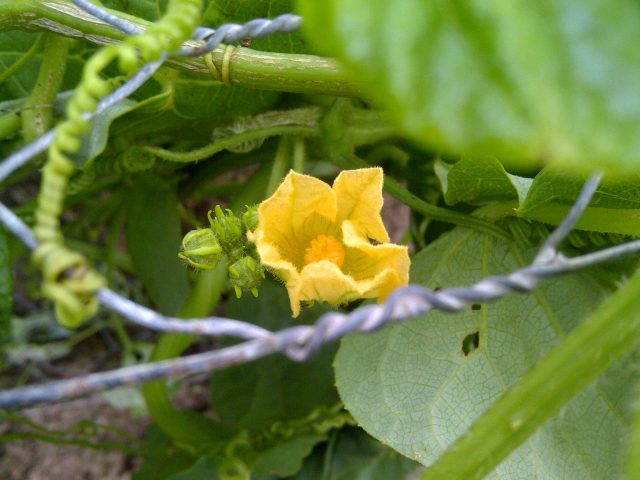
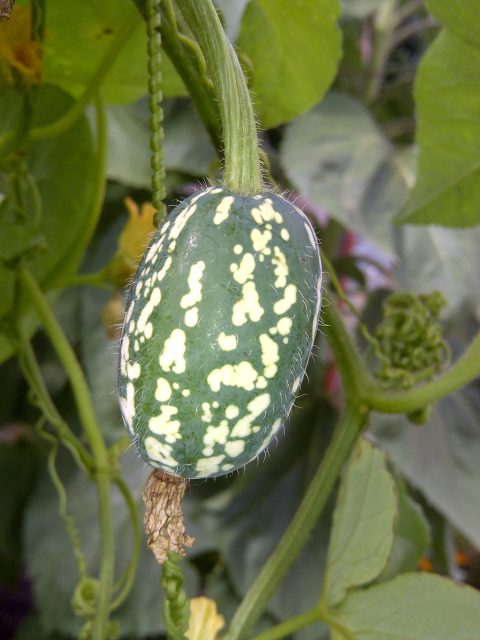
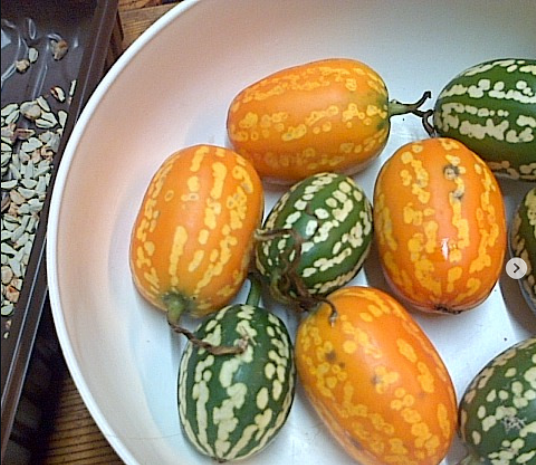
Planting the crown with a tuber or two has worked for me for growing a new plant. Sections of tubers did not sprout. I’m told that young tubers can sprout from the tip but haven’t tried this yet. I suspect that cutting off all the tubers and just replanting the crown will also work but I haven’t tried that yet either. Store in a frost-free, dry place. Pot up if it begins to shrivel and pot in the spring anyway and grow on in a light, frost-free place before planting outside after the risk of frost has passed. Trellis support is advised as being a one year old plant there may be very vigorous growth. If the plant flowers and produces fruit (inedible) allow these to ripen until they are soft and yellow and then extract the seeds for further crops. Seed grown plants are often grown in rows on the ground only 20cm apart.
One small anchote crown (1 yr old) with tubers attached.
Out of stock
Reviews
There are no reviews yet.