2021 Review
The Backyard Larder Blog’s eighth annual review.
It’s all change again at The Backyard Larder. We are moving the sale plants growing operation out of our friends’ garden. We got a reply email from the town clerk last summer. Yes, we could use my existing allotment for a business! We weren’t expecting this response – we were just lucky that our enquiry coincided with a rethink on allotment rules. It was incredibly good news, despite them not being able to offer us another plot, so that at present we’re not gaining much in the way of space. But having the business on the same site as where we grow for ourselves anyway will save journeys – plus the rent is low, the site is only a ten minute bike ride away and many of the plants we want to propagate from are growing there already. And in time we might get another plot up there.
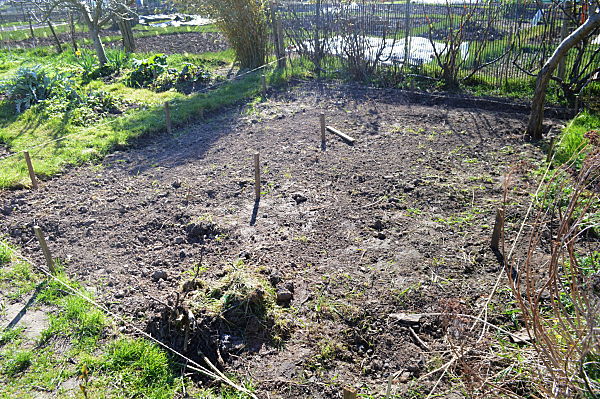
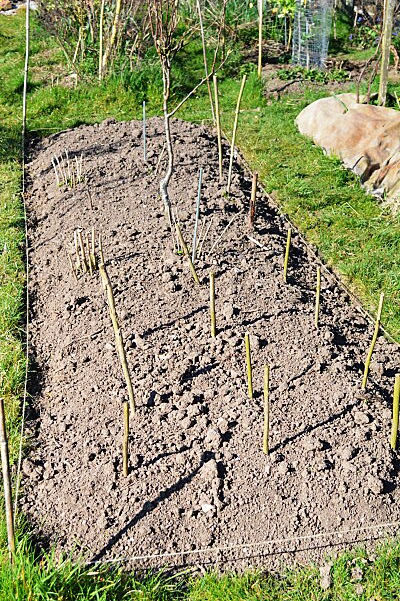
Here is the new plant growing-on area. We had to relocate our fruit bushes to the edges of the plot to clear it. We still need to level it, put down old weathered carpet to stop bindweed and cover the area with bark chippings before we bring up the wooden frames we stand the crates of plants in.
And this, with a whole lot more shifting of soil and levelling required, will be the site for a 12′ x 8′ greenhouse!
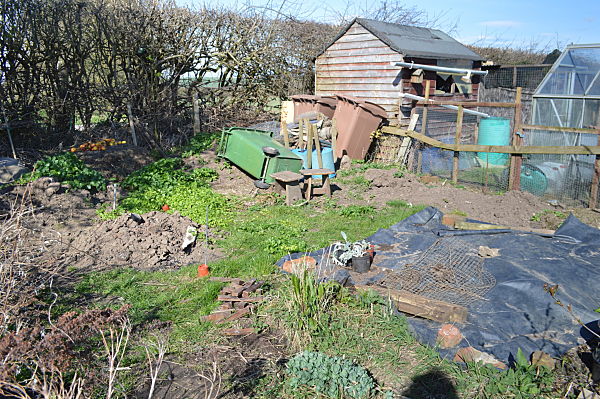
I can’t wait, never having had a greenhouse before I could call my own (beyond the very small lean-to that sits on the side of the shed). The day I go in there for the first time to sow seeds, equipped with my coffee flask and radio, will be a red letter day!
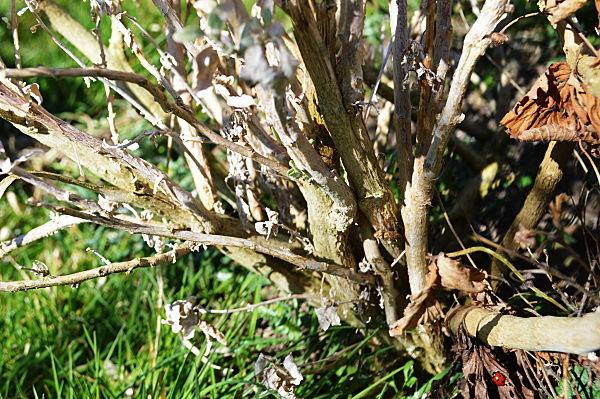
I took a walk around the plot today to see how various perennial vegetables had fared after the cold winter. The oysterleaf (Mertensia maritima) and French scorzonera (Reichardia picroides) had perished and will need replanting, and I’m not sure how well the spignel (Meum athamanticum) is – it looks rather dried out. The saltbush (Atriplex halimus) had suffered more this winter than last, but is re-sprouting low down on the woody stems.
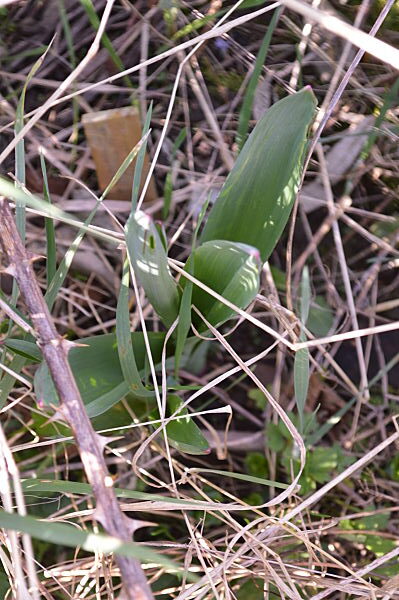
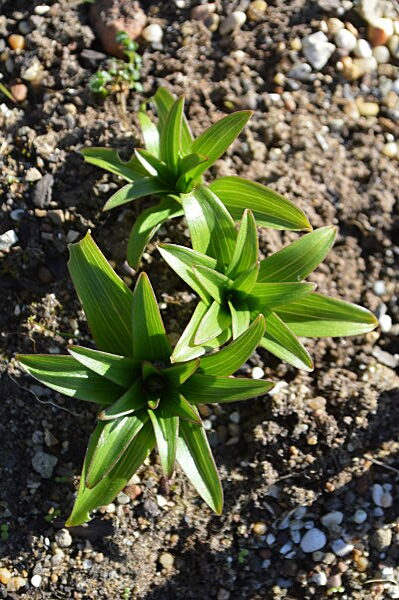
I wasn’t sure how hardy various edible alliums I’d planted would prove to be. I could see A. altissimum Goliath and A. hirtifolium ‘Album’ coming up but only one of the three A. schubertii.
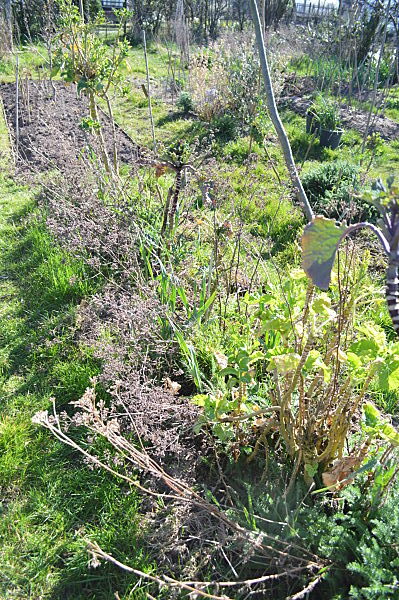
I think that is all the losses. Here is the sea beet re-sprouting well from the rootstock beneath a canopy of dead branches.
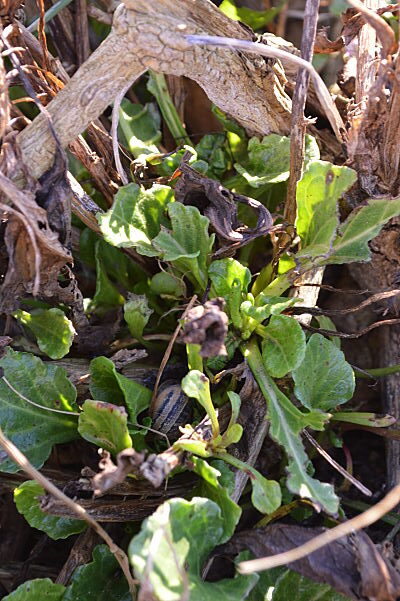
I am pleased to see growth on the poppy mallow (Callirhoe involucrata), a plant with gorgeous deep pink ‘wine cup’ flowers which I’ve been wanting to grow for some time. It has edible roots and leaves but it is so pretty that I wonder if I will ever find out how it tastes!
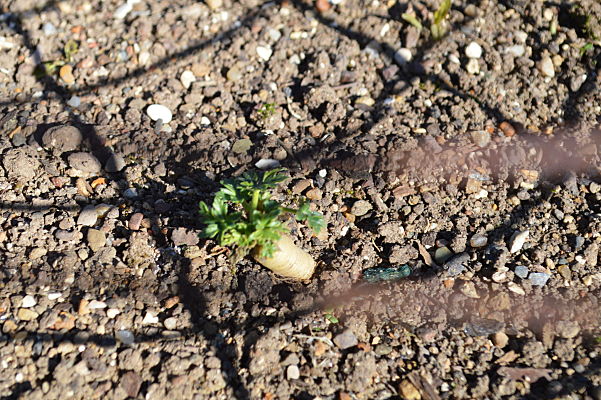
The rice root (Fritillaria camschatcensis) sprouted last year, then appeared to die away very early on. So it is good to see it has sprouted again this year.
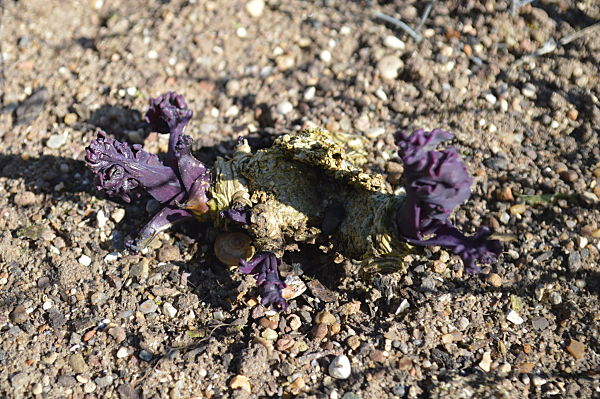
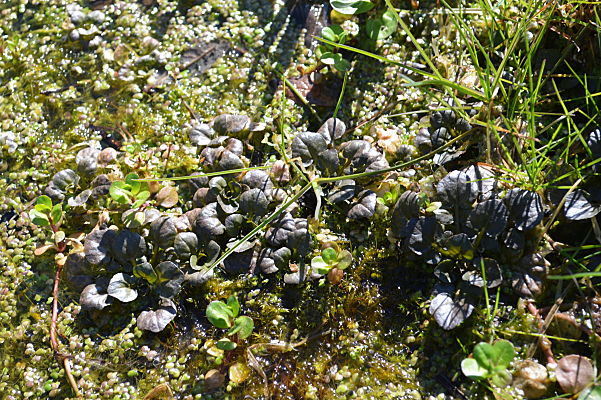
Here are the purple crinkled leaves of the sea kale in the sand bed. I actually only have one sea kale plant which is too few. Eventually those I’d planted in clay soil died out, although they kept going for a good few years. It is a favourite spring vegetable providing both leaves and flower sprouts, and I must figure out where to plant some more.
Getting enough of the plants we want to eat a lot of, and not too much of things we only eat a bit of, is something I think about lately. I’ve decided that garden strawberries will be worth trying as ground cover around the skirret plants (after trying various options such as the camomile that grew too tall and messy after a while). I’ll transplant some young plants from Stew’s patch of ‘Elan’ strawberries soon.
It is hard to make out but the photo below is of the expanded production of perennial leeks planted amongst the kales. They are growing amongst plantings of yarrow, marjoram and ox-eye daisies to attract predators to keep down aphid, whitefly and caterpillar numbers. This has all worked well. It hasn’t stopped the pigeon visits unfortunately but the kales will soon recover! I did net the three adjacent kale beds once using the living willow rods that grow around them as supporting posts. But the netting got torn and I don’t want to buy new plastic, even long-lasting stuff. I have a plan to learn net-making and make my own from string. This is a bit of a mad idea and hasn’t happened yet!
My third attempt to plant the true Bunium bulbocastanum failed last year. The plant from Great Dixter nursery, kindly sent on trial, turned out to be a different species too. The evidence is in the shape of the seeds when they develop on the plants in late summer. All the plants I have tried so far have revealed seeds of Oenanthe species, although it is hard to say exactly which species. The foliage looks different on each of them so I suspect they are all different Oenanthe species. The other way to tell is to see if a plant has just one tuber that gets bigger each year (as Bunium does) or multiple small tubers (as with Oenanthe). I haven’t dug any of my plants up yet – they are all lovely insect-attracting umbellifers and, anyway, the tubers they produce may contain varying levels of oenanthotoxin, a dangerous poison found in the deadly Oenanthe crocata.

But there is good news! Bunium bulbocastanum seed, sent from the genebank at IPK Gatersleben and sown last August, has germinated this spring. The seedlings have just one cotyledon which is typical of Bunium bulbocastanum. Progress towards growing the great pignut is being made.

Other plants I’m pleased to see growing are the brown watercress (Nasturtium x sterile) and sweet flag (Acorus calamus) in the pond, the chocolate root (Geum rivale), red sorrel (Rumex acetosa ssp. vinealis) and meadowsweet (Filipendula ulmaria) by it, and also the gomchwi (Ligularia fischeri) that got constantly eaten to the ground by molluscs last year but is now sprouting within the protective walls of a bottomless clay pot.
Finally in the mini-forest garden I have my first birch-sap harvest! The tree is still young so I just cut a single young branch where it was about a centimetre in diameter, used a piece of string to pull the branch down towards the ground a bit and tied a bread bag on to the end of the branch.
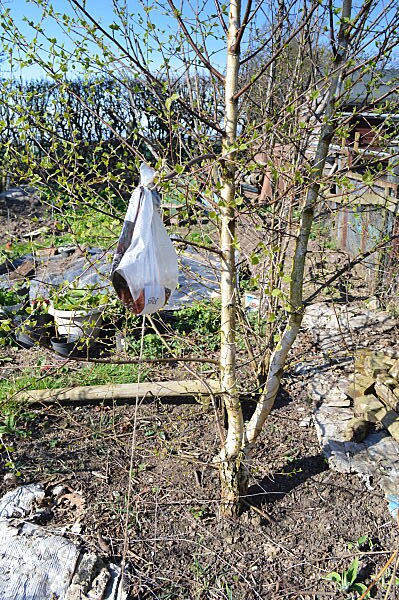
I was surprised to see how much had collected in four days.
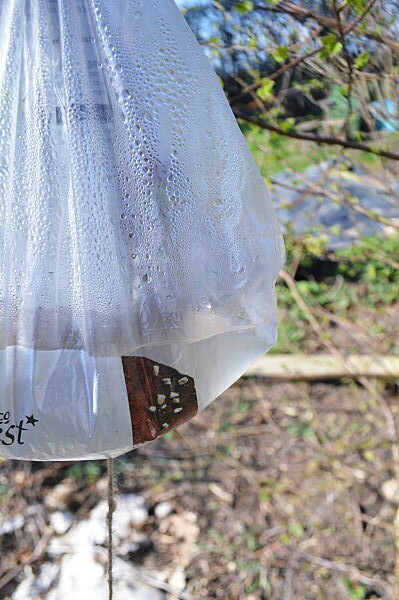
Not yet tasted. A treat to come.
Cherrie Stevens
Wow! You are an amazing mine of information and will extend my growing knowledge on my allotment. Although you dont have any plants for sale at the moment I will eagerly await you getting back to selling. Thanks, Cherrie
Michalina
How is the Bunium bulbocastanum working out? I finally got some seeds that seem promising. They’re from a seller that also sells Conopodium majus and Oenanthe pimpinelloides, so I’m hoping they know what they’re talking about!
Alison Tindale
The pot of very young plants came up again in the spring and when they died back I transplanted some into a garden bed. Pea-sized tubers with still pretty spindly growth. Some are still in the pot. Just a waiting game now to see if they keep going. They are clearly slow developers!