Wild Perennial Vegetables
I’m away from home this month, with my parents in Wiltshire again, so I haven’t done the perennial vegetable dishes photos this month. If you want to look back, there are photos of perennial vegetable dishes for nine out of twelve months over the last year (for April, June, July, August, September, October, December in 2018 and for January and February this year.)
Instead I went for a walk, camera in hand, to see what wild perennial vegetables grow around this Wiltshire village.
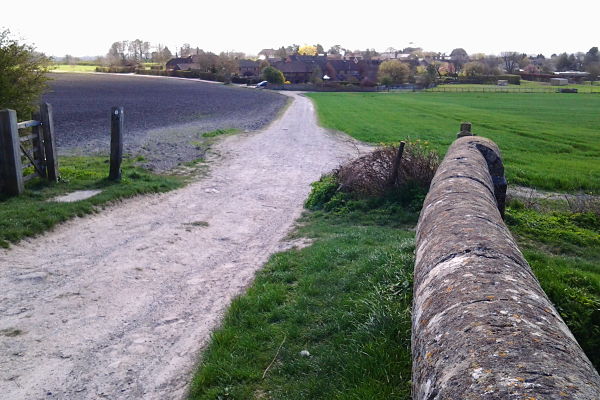
And then went out again to bring some home to cook and eat. (Careful identification was vital – I saw some very poisonous plants growing in amongst the ones that I picked, including hemlock and hemlock water dropwort).
Quite a few of these wild edibles have turned up of their own accord on my allotment and have been allowed to stay. Some such as the nettles and dandelions give useful amounts of food. Others such as hogweed I keep to just a plant or two for wildlife value because to have sufficient plants for a decent harvest of leaf and flower shoots would take too much space. Better to go foraging!
This is what I found….
Hogweed (Heracleum sphondylium) This a very useful wild vegetable (and is the original plant from which borscht was made). Mark Williams of Galloway Wild Foods has a great post about it. (Caution is needed in summer with this plant as exposure of the skin to its sap in sunlight can cause very nasty rashes and blisters similar to that from giant hogweed.)
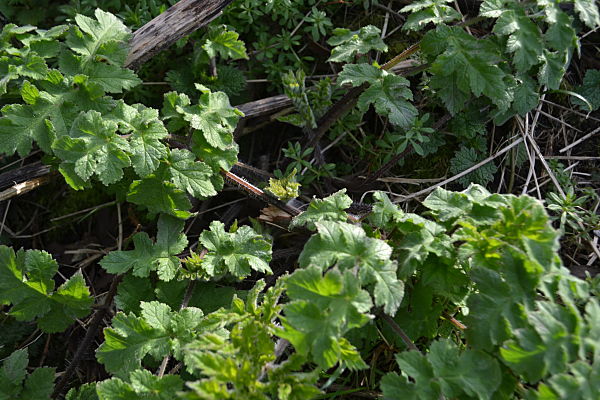
I picked the very young shoots.

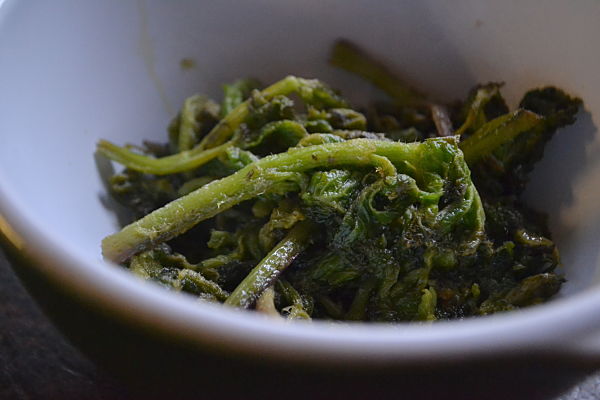
And fried them in olive oil – extraordinarily good!
Broad-leaved dock (Rumex obtusifolius)
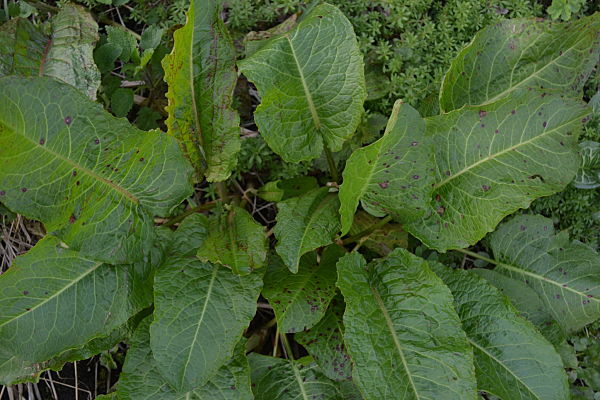
I’d read that the youngest leaves wouldn’t be bitter.

I just boiled and seasoned these and no, there was no bitterness. A quite acceptable green vegetable. (Both picking just the young leaves and disposing of the cooking water reduces the problem of the oxalic acid content of Rumex leaves. Look here for a good explanation of this issue and other strategies for dealing with it).

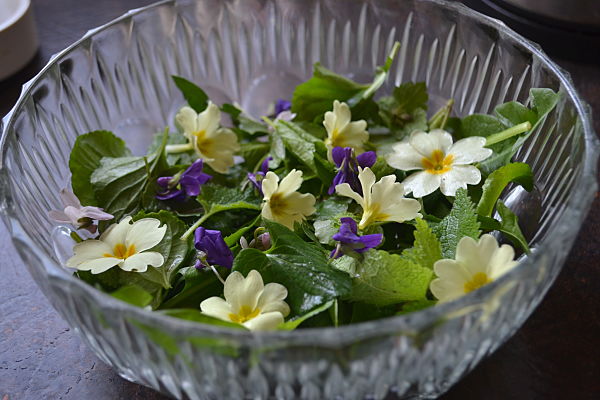
I made a salad using the following plants.
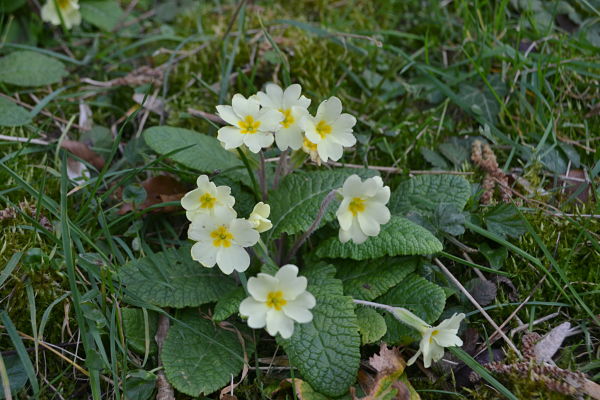
Primrose (Primula vulgaris)
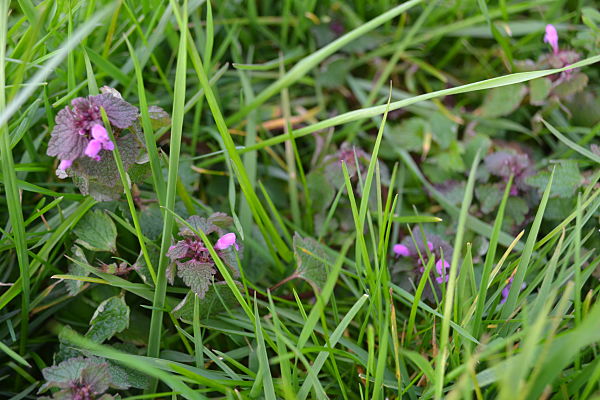
Red dead-nettle (Lamium purpureum)
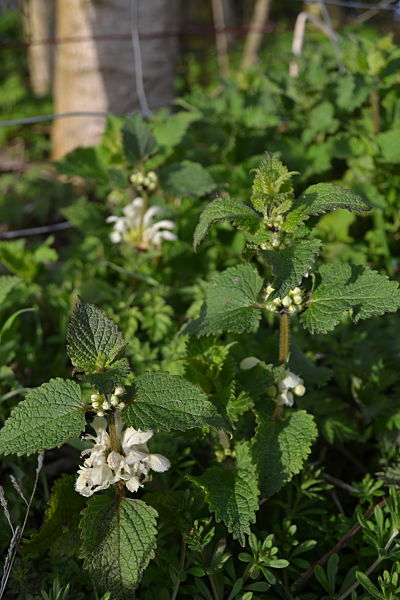
White dead-nettle (Lamium album)
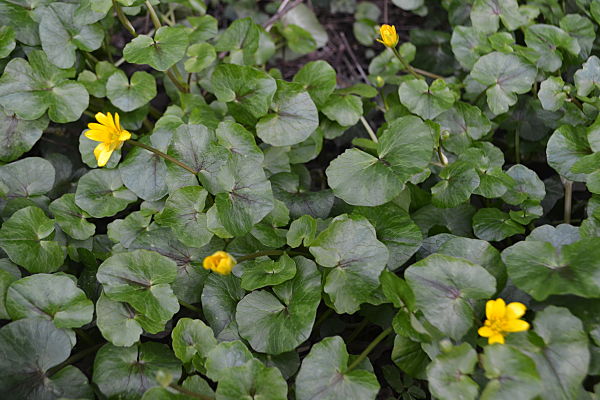
Celandine (Ranunculus ficaria) Only the very young leaves should be used. Older ones contain too much of the poison protoanemonin, common to all members of the buttercup family.
Dandelion (Taraxacum officinale)
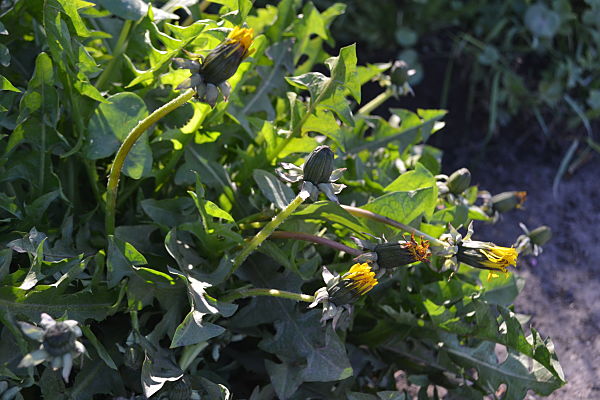
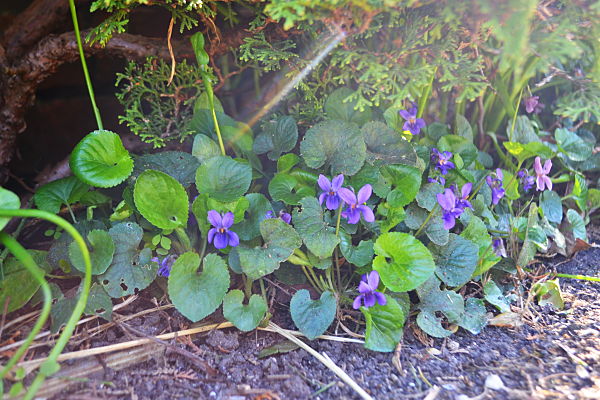
Sweet violet (Viola odorata)
Here’s a photo of the salad.
Stinging nettle (Urtica dioica) Plentiful, nutritious and tasty. (A largish patch of stinging nettles in the corner of a garden gives food for the kitchen and for the larvae of red admiral, small tortoiseshell, peacock, comma, map and painted lady butterflies and can also be made into a nitrogen-rich plant food.)
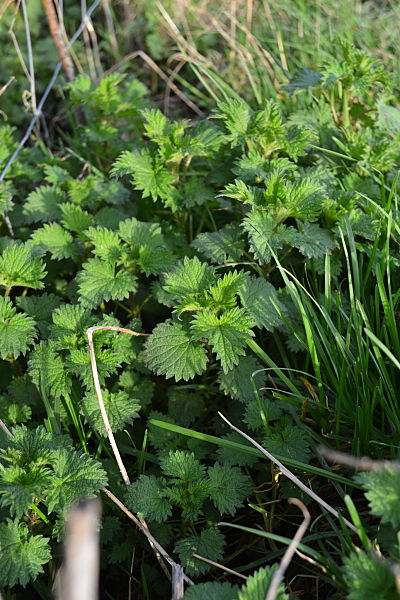
Using gloves and a pair of scissors I picked plenty of nettle tips.
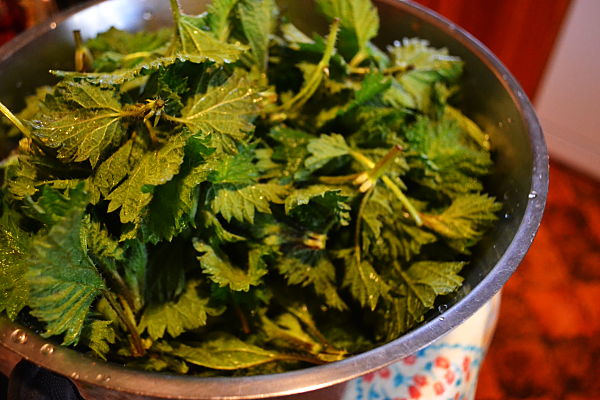
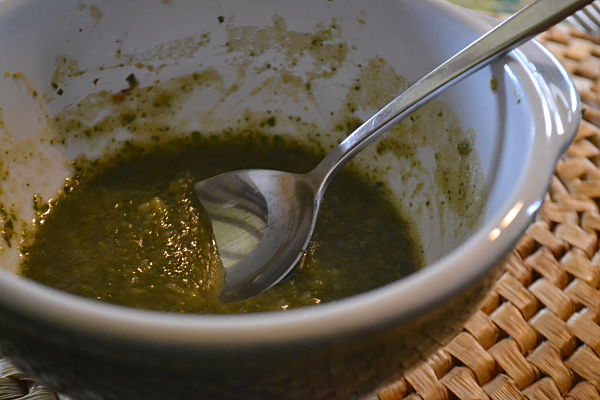
Nettle and sorrel soup. Made with the sorrel I’d planted in the garden here a few years ago, and a potato from the vegetable rack, it was so good I almost forgot to take the photo….
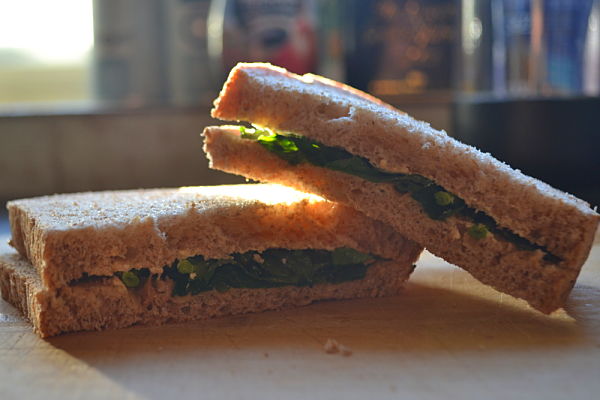
Fool’s watercress (Apium nodiflorum) Edible, but carroty, rather than peppery like true watercress. (Caution required: like watercress it can harbour the sheep parasite liver fluke which can cause the liver disease fascioliasis, so it is not advisable to eat this raw if picked from a waterway that passes through sheep country.)

I had mine in a simple sandwich with peanut butter.
This has been a learning adventure for me. I don’t often find time to go foraging and had only read about how to use some of these plants, rather than having tried it out myself. But there are plenty of hogweed plants on my route to the allotments – I’ll certainly be feasting on those shoots again!