Comparing Perennial Chenopods

Kahawut or Californian goosefoot left, markery or Good King Henry right.
I am still a lover of markery. Markery is my newly favoured name for Good King Henry. It was known by that name in Lincolnshire where the plant was still eaten long after the arrival of spinach which ousted it from the common diet in most other counties. Botanically it is Blitum bonus-henricus. But I have recently been taking sidelong glances at its close relative, kahawut or Californian goosefoot (Blitum californicum), another perennial member of the goosefoot family, especially now that it has proved itself to be capable of standing up to a British winter.
I gathered leaves of both plants yesterday and have been comparing them as cooked vegetables today. I steamed them both for about 5 minutes.

Steamed kahawut left, steamed markery right.
I don’t advise eating either of them raw as they are bitter. In fact people often describe markery as being very bitter even cooked and insist on soaking it in salted water for thirty minutes prior to cooking. But I find it quite acceptable without doing that, so long as the leaves are gathered fairly early in the season (or are from a fresh flush of new growth after the plant has been cut down). I really like the admittedly strong flavour, and the knowledge that it is particularly rich in nutrients adds to the attraction.
The markery leaves in the photos weren’t from particularly young growth but I still enjoyed the taste. (I picked the smaller leaves which matched the size of the kahawut leaves. Markery leaves can actually grow quite a bit bigger than the ones in the photo. Kahawut leaves are smaller in my experience so far.) The detectable bitterness was reduced after a further quick fry in some olive oil with some salt and pepper added. Very nice.

Steamed and fried kahawut and markery.
The kahawut tastes remarkably similar. But I could detect more of a bitter aftertaste in the steamed leaves and a rougher, slightly furry texture. The texture improved with the frying treatment but the slight aftertaste remained. These were very subtle differences but I think that, whilst markery is good as a stand-alone vegetable, kahawut may be better for using in soups and stews, i.e. as a potherb.
So why grow kahawut? Well it is extremely easy to grow from seed, which markery is not as it can take an age to germinate and then may do so only sporadically. In the greenhouse kahawut self-seeded too but I haven’t noticed that happening outside yet. The seeds may make a good perennial seed crop, a sort of perennial quinoa. That is something that Rhizowen Radix is looking into. I haven’t tried the very young flowering shoots, but they may be of value cooked as a sort of ‘broccoli’ as those of markery are. To boot, kahawut may do better in periods of drought, the two plants may have complementary harvest times (something I should have observed by now but haven’t quite yet!), the serrated leaves are pleasing to look at and the plant may also be useful for using as soap and medicine.
Besides, maybe Good King Henry likes to have his transatlantic relatives come to stay.
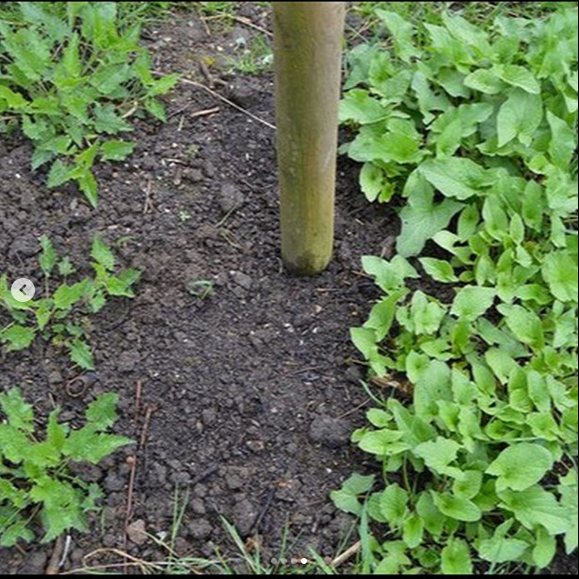
Kahawut left, markery right.