Akamizu Again
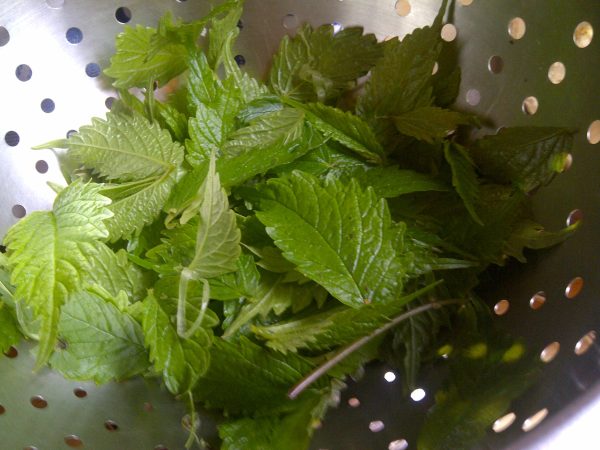
We have had an afternoon of rain after an extended dry period. The back garden is look green and fresh and lovely with the pure white Morello cherry blossom enhancing the effect. My eye was especially drawn to the pot of new akamizu shoots (Elatostema umbellatum ‘Dents de Kyoto’, water nettle). It is an edible woodland plant that loves the damp shade of the garden.
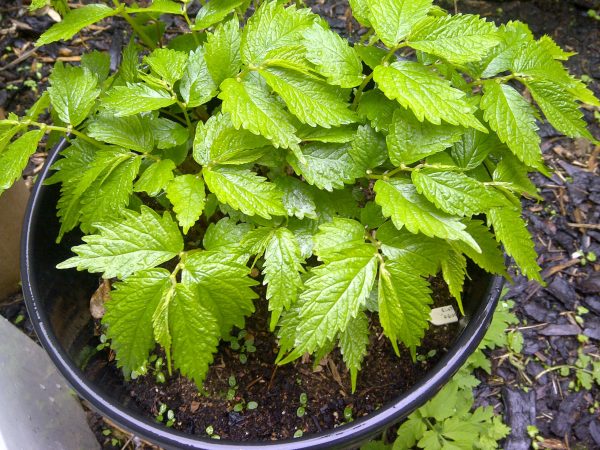
I picked some. Not too many because I’m not too sure if harvested shoots are replaced easily. It is probably fine as I can already see tiny replacement shoots low down in the pot. I’ll add a note in a few weeks’ time to say how well the plant filled out again.
I have tried the stems of this sansai (Japanese ‘mountain vegetable’) once before (in May last year) and enjoyed their taste. On that occasion I boiled them in water and then simmered them in light soy sauce, rice wine vinegar and a teaspoon of sugar. Today I followed the instructions on this video from ForagerJapan where the stems are boiled and then soaked in mustard, soy sauce and salt.
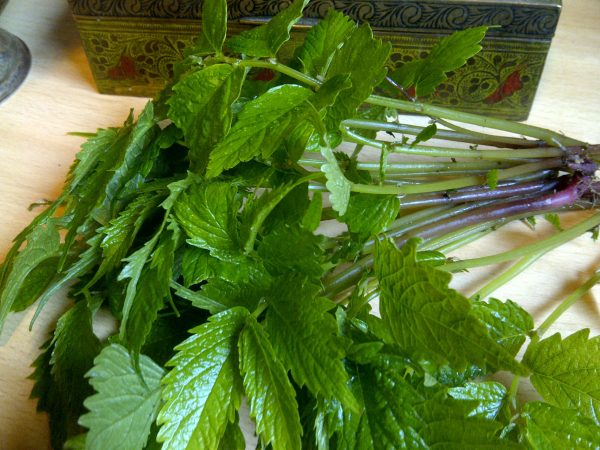
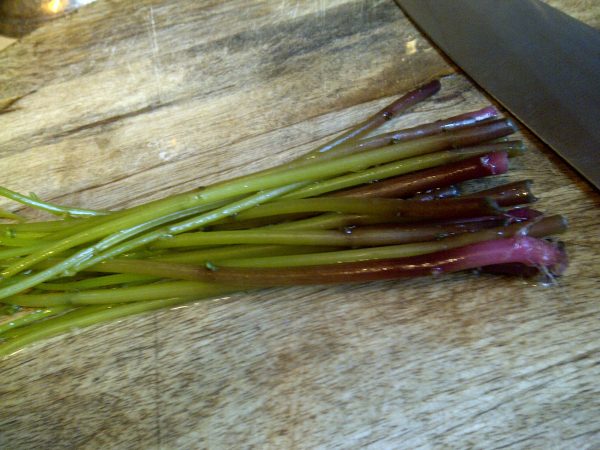
It was a very easy and quick process. I merely washed and peeled the shoots, boiled them for three minutes and soaked them in the sauce for an hour in the fridge. (A couple of notes – I followed the instructions to strip the leaves off in a downward direction. This only partly peeled the shoots but I think that was because the stems I used were especially young and soft – I doubt they have much bitterness at this stage and so hardly needed peeling. I added the soy sauce all at once to the mustard and so had a bit of a job dispersing the mustard through it. It would have been better to add the sauce in gradually.)
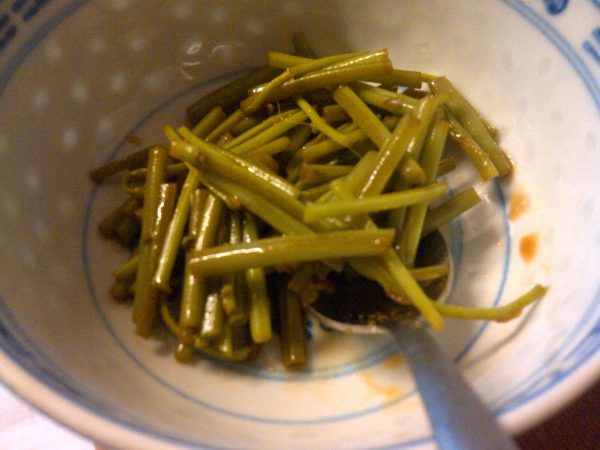
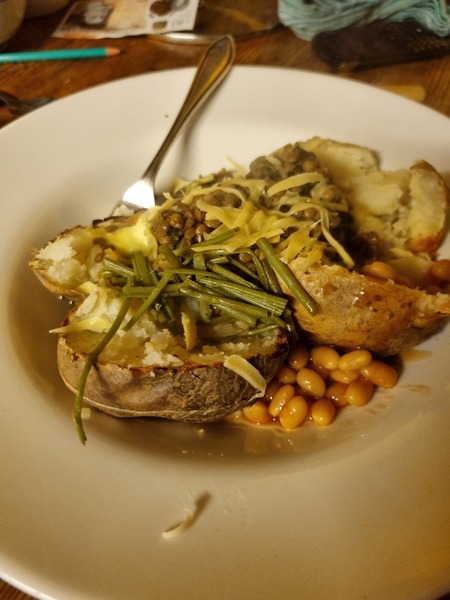
We ate the akamizu with our baked potatoes, lentils with Babington leek leaves, baked beans and vegan cheese (it is called fusion!) It was both crisp and succulent but the sauce made it too salty for our taste. It would have been better at least without the additional salt and perhaps with some rice vinegar or mirin to counterbalance the saltiness of the soy sauce.
Stew also added the leaves to the lentils. We didn’t notice any off-putting ‘spininess’ as described in the video. We didn’t really notice them at all cooked this way but they will have added extra nutrition to the meal.
‘Dents de Kyoto’ is one variety of Elatostema umbellatum, and seems to be the easiest to source in the UK. There are others, e.g. ‘Snow Patch’. There are quite a few other Elatostema species eaten throughout Asia. This paper gives some details.