The Merits of Apios Americana
Hopniss (Apios americana) is a hardy, perennial climber with stunning flowers and attractive pinnate leaves and is edible in all its parts.
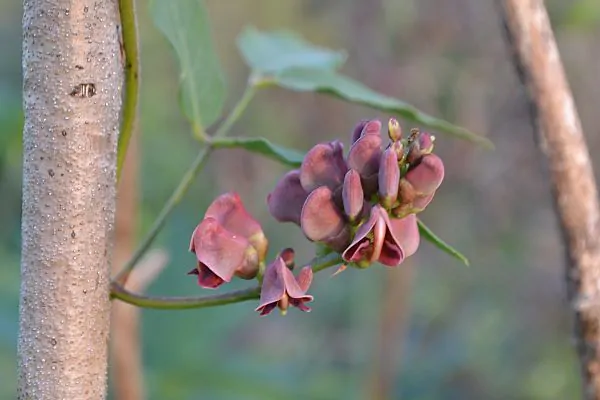
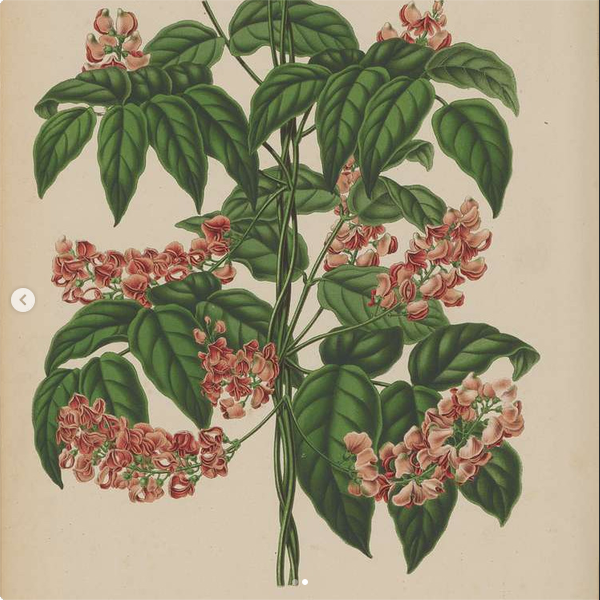
Apios tuberosa Moench. Image by Abraham Jacobus Wendel, from the Dutch language book ‘Flora: afbeeldingen en beschrijvingen van boomen, heesters, éénjarige planten, enz. voorkomende in de Nederlandsche tuinen’ by H. Witte
Hopniss is fairly easy to grow given a sunny site, moisture and some support for its vines (up to about 2.5m tall in the UK). It is not very fussy about soil. It is a legume, therefore, so long as it has the required Bradyrhizobium bacteria species in nodules on its roots, it can fix nitrogen in the soil which can be used by the plants to make proteins. (Essentially the bacteria use enzymes to convert nitrogen from the air into ammonia which is converted into ammonium ions and amino acids.) At the end of the season the spent vines break down and return some of the nitrogen to the soil for future plant growth.
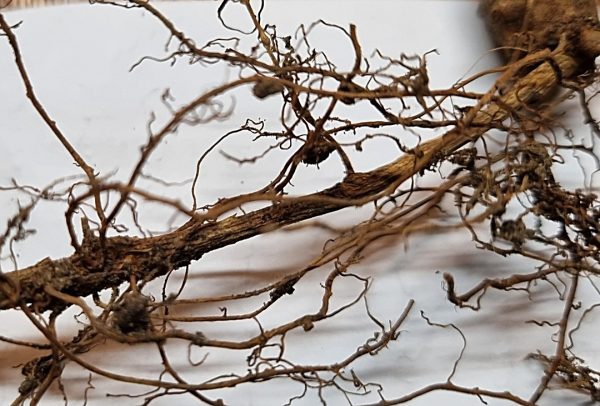
Nodules on hopniss roots
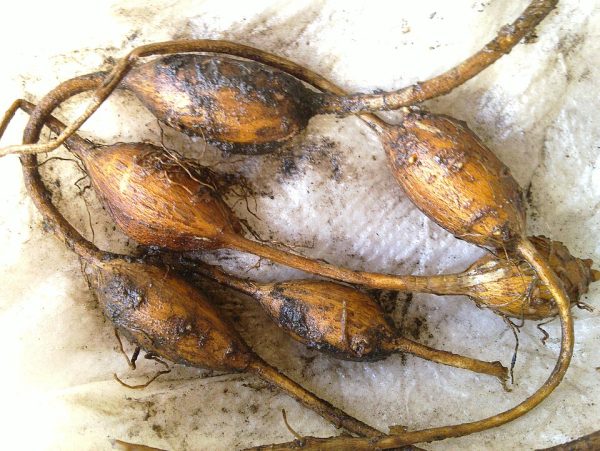
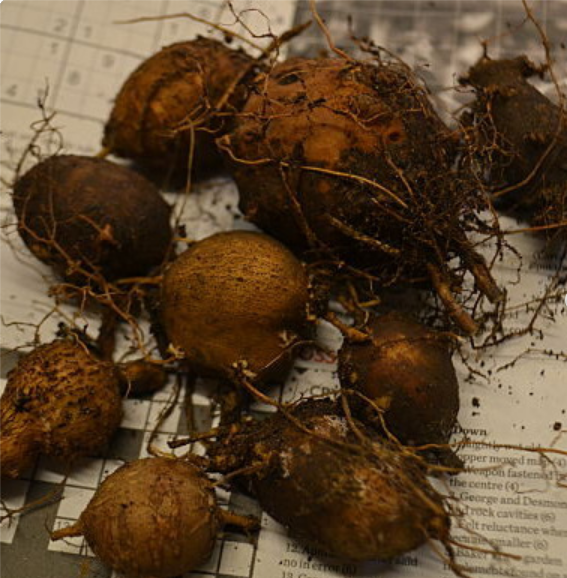
String of hopniss tubers. Malte, CC BY-SA 3.0, via Wikimedia Commons
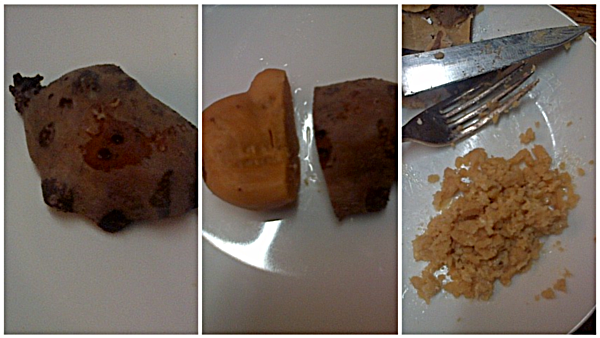
Boiling and mashing hopniss
In North America, the plant’s native region, the flowers go onto produce edible seedpods. Only diploid strains of Apios, generally more common in the south of the region, will do this. Triploids occurring mainly further north are seed-sterile. I have yet to see pods forming on my diploid plants, and haven’t yet heard of it happening anywhere in the UK, but perhaps it is a just matter of time.
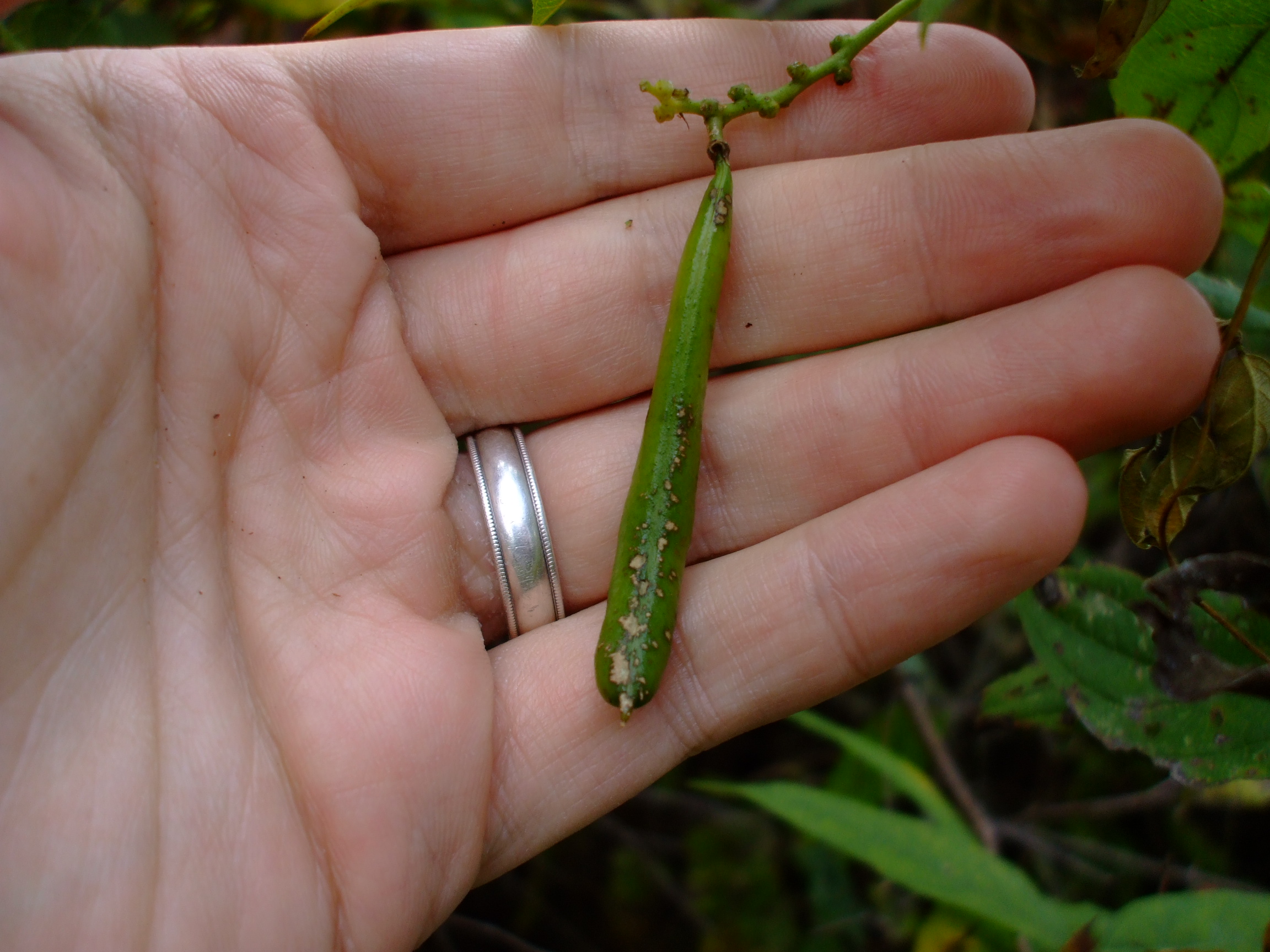
Hopniss seedpod. Photo courtesy of Jeff Ausmus from the Ausmus Ranch (wildflower haven in Michigan).
I’ve seen reference to cooking whole green seed pods so far but haven’t yet found reports of cooking the seeds (beans) whether green or dried. I expect it is done. Bill Whitson from Cultivariable website explains that the whole plants is edible: leaves, flowers, pods, beans and tubers. You can see a photo of the dried beans on his site.
Hopniss also has a sweet scent, medicinal uses and attracts wildlife – fair to say, I think, that it is a plant with a multitude of virtues.
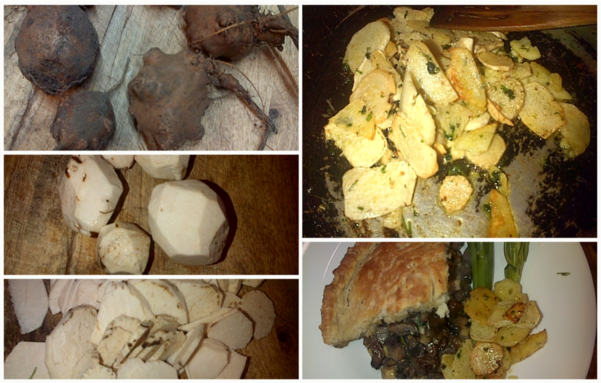
Preparing sautéed hopniss to accompany mushroom and chestnut suet crust pie.